
Tucker Previous Resident Sources
No single Tucker archive names every person connected with a house. The DeKalb appraisal profile supplies the present parcel, January 1 owner, situs and mailing addresses, sales, and other property facts. LandmarkWeb carries the online title trail. Printed directories offer selected occupant snapshots, and released federal census schedules show households at ten-year intervals. Choose the source that fits the date, then corroborate it with a second record.
| Source | Years It Covers | Where Held | What It Shows |
|---|---|---|---|
| DeKalb appraisal profile | Current, with historical tabs | Property Appraisal Department | Owner, sales, parcel, situs, mailing address |
| LandmarkWeb | 1979 to current | DeKalb deed index online | Recorded title chain and filing references |
| Surviving land books | 1842 to current | Clerk Record Room | Deeds, plats, liens, and legal descriptions |
| Tucker/Stone Mountain directories | 1970, 1972, 1974, 1975, 1976 | DeKalb History Center | Occupant snapshots and reverse listings |
| Federal census | Public schedules through 1950 | National Archives and library databases | Households and nearby enumeration order |
For a recent transfer, start with the parcel profile and deed index. For a 1970s household, compare a directory with a deed and census. Earlier work depends on courthouse books, maps, and name indexes. An owner is not always an occupant, and a tax mailing address is not the physical situs. Treat every match as evidence, not a final claim about residency.
Start With Tucker Parcel Facts
Search the situs address and save the parcel ID, current owner name, January 1 owner, legal description, sales references, and separate mailing address. The parcel number is often a firmer bridge than the street address. If the deed or plat citation is missing, the DeKalb GIS Mapping Team can identify the latest book and page from an address or parcel ID. Staff cannot provide the deed or settle a boundary dispute.
When a needed government file is not online, follow the Georgia open-records request guidance.
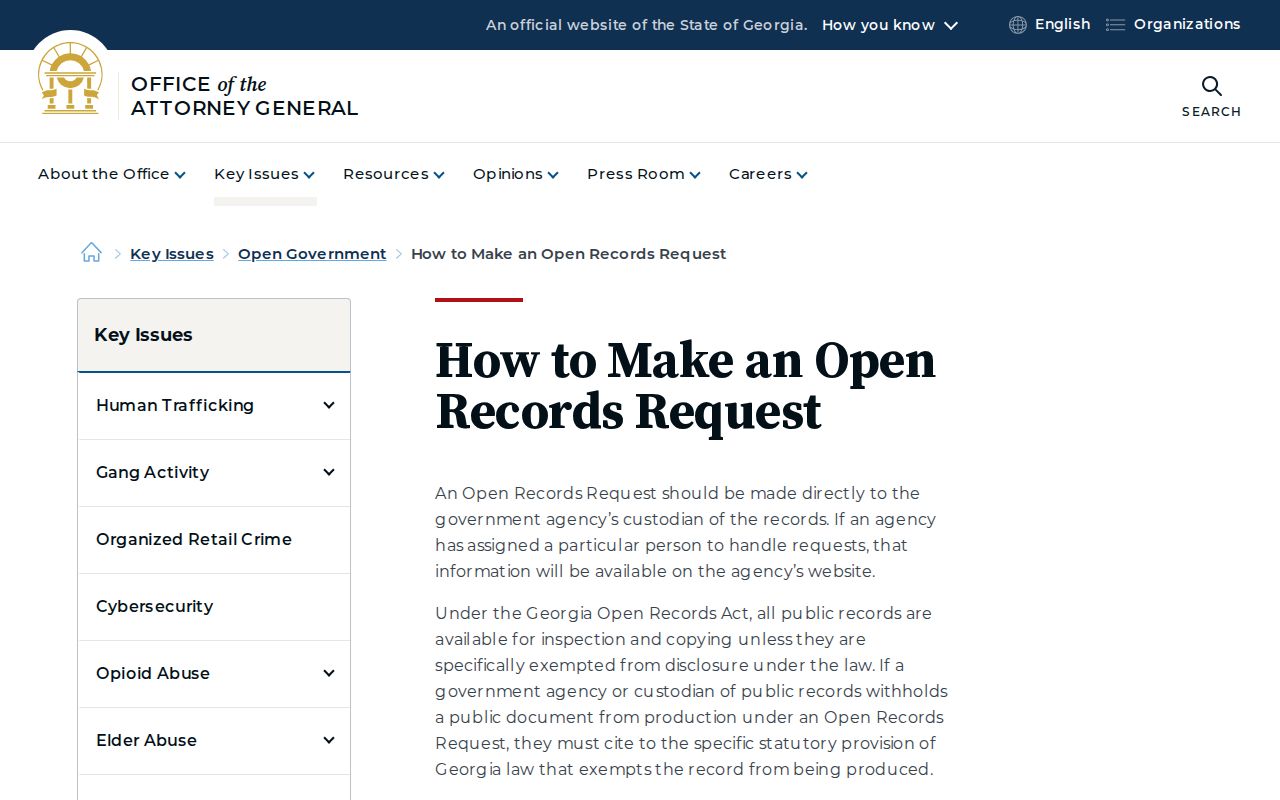
The state guidance favors a focused written request sent to the office that created the record.
A matching situs and mailing address, together with a homestead indicator, may support owner occupancy. It still does not name every person in the household. Trusts, estates, business owners, remote owners, and recent changes can all produce a different mailing address. Previous resident research must keep ownership and occupancy in separate columns.
Search Tucker Deeds Backward
The local DeKalb LandmarkWeb index offers Name, Document, Book and Page, Parcel ID, Record Date Range, Instrument Number, Legal, and Quick Search modes. Begin with the current owner's exact indexed name. The clerk warns searchers to try each reasonable spelling variation. Old deeds may use a subdivision, lot, land lot and district, or metes-and-bounds description instead of today's address.
- Copy the current owner and legal description from the appraisal profile.
- Find that owner's purchase as grantee, the party receiving title.
- Read the deed citation and identify the grantor who conveyed it.
- Search that grantor as an earlier grantee, then repeat.
- At the online cutoff, continue with courthouse computers and deed books.
The index can identify a filing, but a certified copy comes from the clerk. Online images may require an account or fee. In person, deputy clerks assist in the public room on weekdays. Mail requests need the book type and page. This full chain is more reliable than searching a modern street number alone.
Tucker Records Before 1979
LandmarkWeb's local notice begins online coverage in 1979. Earlier surviving real-estate material is held by the DeKalb Clerk of Superior Court Real Estate Division at the courthouse in Decatur. The public-access room and record books are the fallback when the web index ends. The DeKalb History Center also cites an 1822 to 1910 deed index, but an index entry is only a lead when its underlying deed did not survive.
The Georgia Attorney General's GSCCCA opinion explains public access to official index data.
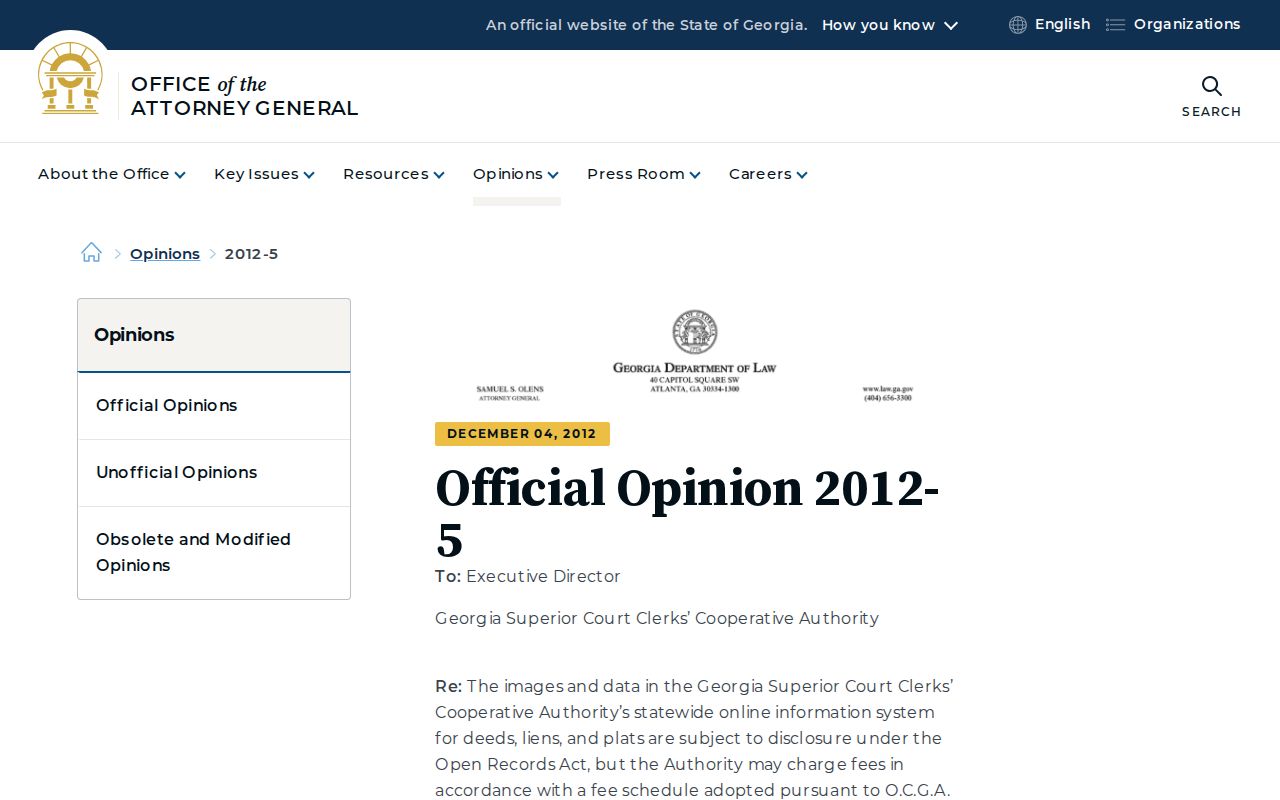
The opinion supports index access, while the clerk remains the source for a certified Tucker deed.
The DeKalb courthouse fire destroyed nearly all records made before 1842. One current minute book survived because the clerk had taken it home. That unusual survival explains why an apparently sound title trail can stop. Do not fill that gap with a guess. Record the missing span, test later deeds for recitals of older ownership, and consult plats, abstracts, probate files, and historical maps.
Note: The Clerk processes more than 204,500 title-affecting documents a year, so precise names, dates, and citations save time at the counter.
Map Old Tucker House Numbers
The DeKalb History Center's house-history guide warns of metro address changes in 1892 and 1926. A literal address search can therefore miss the right property. Compare the legal description, lot, subdivision, road position, and adjoining parcels. The center's 1915 owner map, 1969 Tucker plat map, early plat books, and Sanborn fire-insurance maps can help hold the location steady while its label changes.
Sanborn volumes were produced mainly from the mid-1920s into the early 1930s and updated through 1966, though exact Tucker sheet coverage is not stated. Many are fragile and require in-person use. Ten early twentieth-century plat-map books were digitized with the Digital Library of Georgia in 2023. Tucker Nostalgia adds a practical visual check by placing the 1915 county map beside modern geography.
Build Tucker's Deed Chain
A chain of title is the linked series of transfers for the same land. Use book, page, instrument number, and legal description to prove each link. Never join two deeds only because the names look alike. Dates, spouses, trusts, estates, and parcel descriptions can distinguish people with the same name.
- Pull the current owner, parcel ID, and legal description.
- Find the acquisition deed and record its book, page, and filing date.
- Search the seller as a grantee to locate the prior acquisition.
- Repeat backward while the land description remains consistent.
- Move to the Record Room for pre-1979 books and indexes.
- Grantor / grantee
- The grantor gives an interest in land; the grantee receives it.
- Chain of title
- The linked sequence of recorded transfers for one property.
- Legal description
- The durable land description used in deeds, even when street labels change.
Match Tucker Directory Years
The Tucker/Stone Mountain directories at the DeKalb History Center provide five strong 1970s checkpoints. Use the reverse, or criss-cross, section to read entries in street-number order. Then compare the named occupant with the title holder. A directory may capture a renter or another householder whom the deed never names.
Coverage varies, and the archive warns that runs have gaps. Write “not found in this volume,” not “did not live there.” For a full account of the collections, publishers, and entry abbreviations, use the Tucker city directory resource. The DeKalb County Public Library local-history collection adds microfilm, census access, cemetery files, and staff help.
Pair Tucker Census Households
The National Archives makes federal population schedules public after 72 years, with schedules currently available through 1950. A census can show a whole household and the order in which nearby homes were enumerated. It may not use the modern address in a clean form, so link it through district maps, neighbors, road sequence, and directory entries.
Use a simple flow: directory address to occupant name, occupant name to census household, census neighbors to mapped position, then mapped position back to the parcel and deed description. This pairing finds people who occupied the house without holding title and helps distinguish two same-name families.
End Tucker Trails With Estates
When a deed names an estate, executor, or administrator, search DeKalb Probate Court for the related estate file. A will or administration record can explain how title passed and name heirs. An obituary, cemetery index, or local periodical can then connect family members and later addresses. This deed-to-probate-to-obituary chain is useful for genealogy and heir research without relying on commercial people-finder data.
Certified vital records have separate eligibility rules. The Georgia death-certificate opinion addresses access and Social Security number redaction.
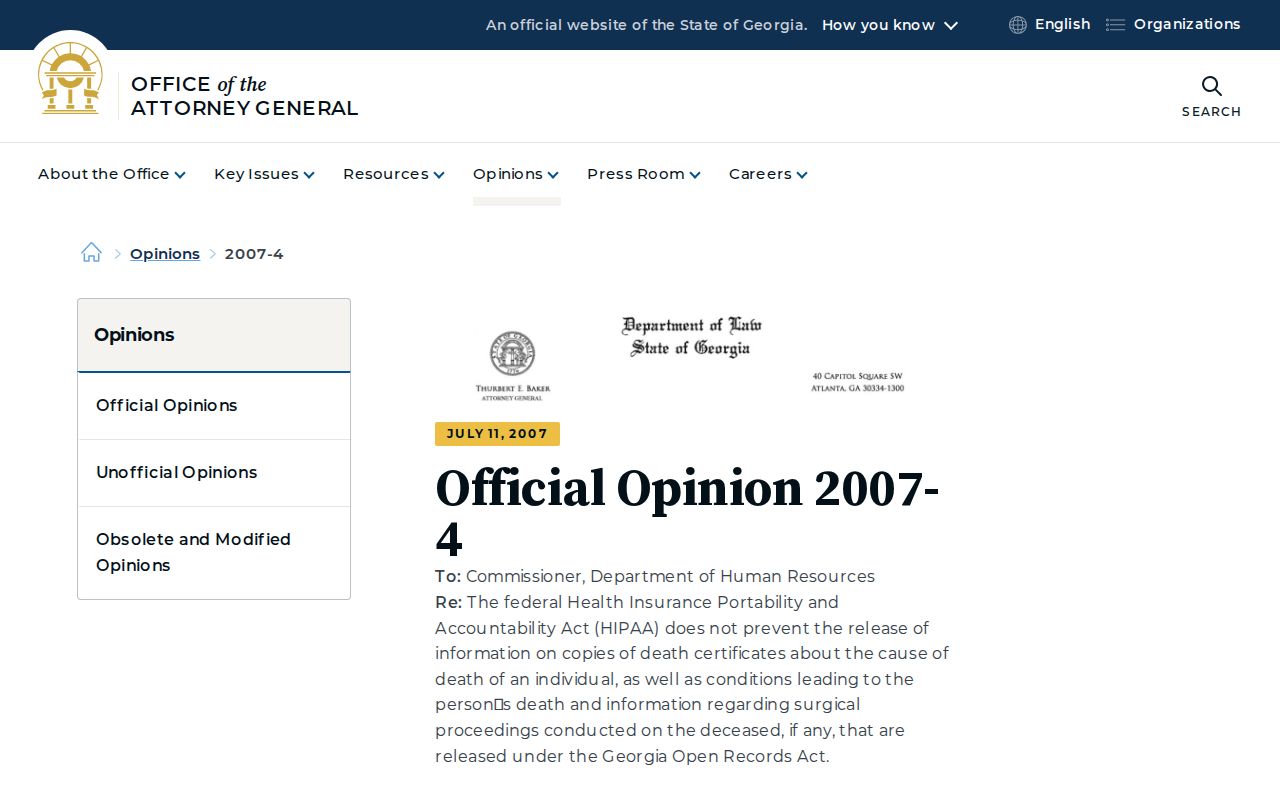
The legal opinion is useful context, but the issuing office decides a specific request under current rules.
Georgia does not publish a single rule that simply opens every birth or death record after a set number of years. The official Georgia vital-record request routes explain the available methods.
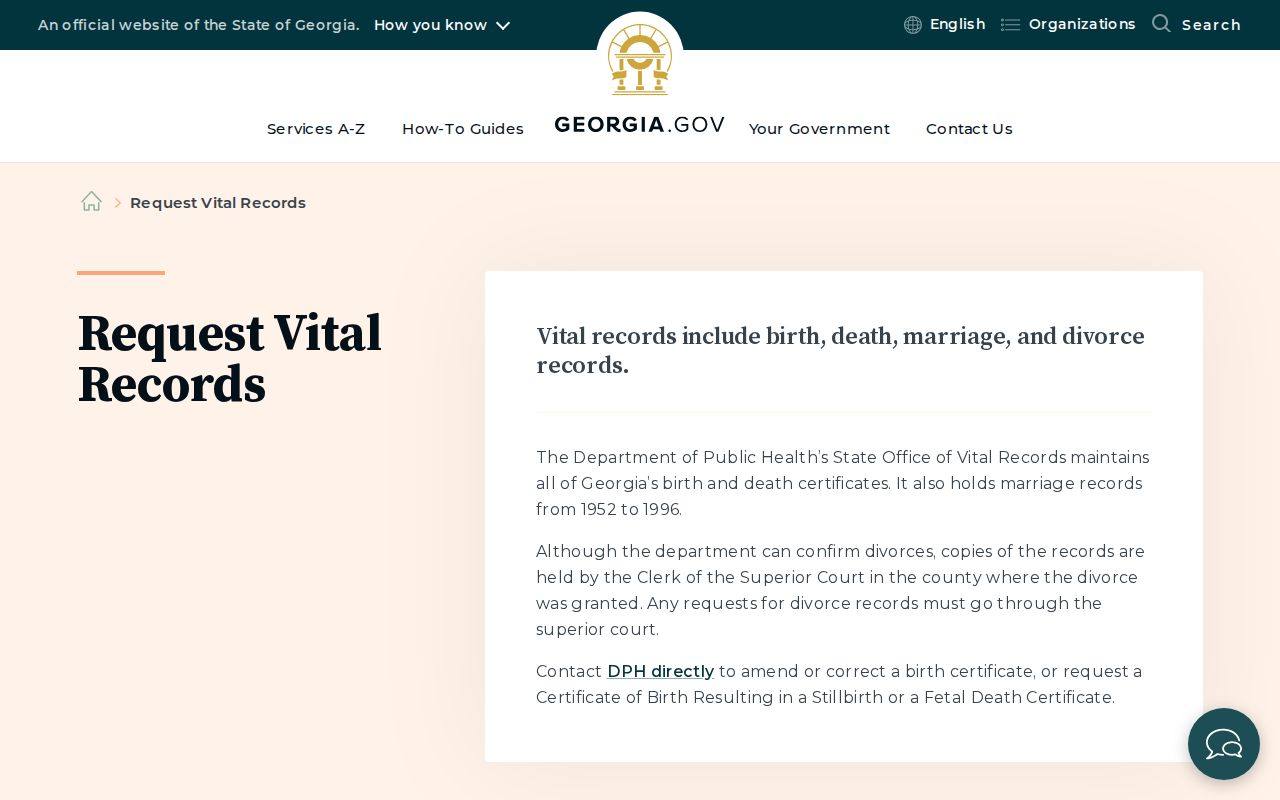
The state screen is a request route, not proof of death, kinship, or legal heirship. Match any copy obtained to the deed, probate file, and other independent sources.
Confirm Tucker Past Households
Previous residents are best supported when independent records agree. Keep a log with the source, date, exact name, address as printed, record citation, and what the item actually proves. A deed proves a recorded land interest. A directory is a dated occupant snapshot. A census shows a reported household. An obituary reports relationships but may contain family errors.
Tucker did not incorporate until 2016, though its railroad and postal identity dates to 1892. Older records will usually be county, state, federal, library, or archival records rather than city files. For later local cases, review the Tucker Municipal Court access page.
The municipal page covers only city-court matters. County deed, probate, and superior-court records use separate custodians.
Lawful use. Research past residents for house history, genealogy, estates, or personal curiosity. Never use an address trail to harass, threaten, or track a living person.